
The Cost of Studying in the United States for International Students
Explore a complete breakdown of the cost of studying in the United States, including tuition fees, accommodation, living expenses, visa requirements, and available scholarship opportunities for international students.
5/20/20263 min read

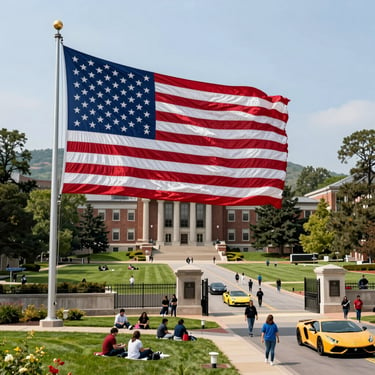
The United States is one of the world’s most sought-after destinations for higher education, offering globally recognised degrees, leading academic institutions, and unmatched career opportunities. However, it is also one of the most expensive study destinations. This guide provides a complete breakdown of tuition fees, living costs, accommodation, and financial aid options for international students planning to study in the US.
All costs mentioned are in US dollars and may vary depending on the university, location, and exchange rates at the time of study.
How Much Does It Cost to Study in the US?
If you are considering studying in the United States, understanding the total cost of education is essential. Expenses typically include tuition fees, accommodation, daily living costs, insurance, visa fees, and personal spending.
US universities vary widely in cost depending on whether they are public or private institutions, and whether students qualify for in-state or out-of-state tuition rates.
Tuition Fees in the United States
Tuition fees in the US vary significantly based on the institution and program of study.
Undergraduate tuition typically ranges from $5,000 to $50,000 per year
Most undergraduate degrees last four years
Public universities charge different rates for:
In-state students: around $10,200 per year
Out-of-state students: around $26,290 per year
Private non-profit universities average around $35,800 per year, with elite institutions such as Harvard, Stanford, and Yale among the most expensive
Although costs can appear high, many universities offer generous financial aid packages that significantly reduce the actual amount students pay.
Accommodation Costs in the US
Accommodation costs depend heavily on location and lifestyle.
Off-campus apartments:
From $500/month in rural areas
Up to $3,500+ per month in major cities
On-campus dormitories:
Typically $5,300 to $8,100 per year
Usually include utilities and basic housing services
Students often share rooms and facilities
University accommodation is often the most convenient option for first-year students, while private housing is more common in later years.
Cost of Living in the United States
Living expenses vary depending on city and lifestyle, but students should budget for the following:
Internet: $35–$70/month
Mobile phone: around $50/month
Public transport: $20–$60/month (varies by city)
Books and study materials: approximately $1,170 per year
Utilities (electricity/heating): $50–$120/month
Water and waste services: around $50–$75 every 3 months
Groceries: $20–$70 per week
Students in larger cities such as New York or Los Angeles should expect higher living costs compared to smaller towns or Midwest regions.
Additional Student Expenses
International students should also budget for everyday lifestyle costs, including:
Meals in restaurants: around $20 per meal
Cinema tickets: approximately $12
Gym membership: around $60/month
Night out: roughly $80 per outing
Alcohol (beer/wine): $6–$15 depending on location
Transportation fuel: approximately $0.98 per litre
Many universities also include meal plans within accommodation packages, which can help reduce food expenses.
Student Visa Costs
To study in the United States, most international students require an F-1 student visa.
Visa application fee: approximately $510
Application process time: usually 3–5 months before the course begins
It is important to begin the visa process early to avoid delays.
Financial Aid and Scholarships
While studying in the US can be expensive, a large number of students receive financial assistance.
In fact:
Around 85% of students at public universities receive financial aid
Around 89% of students at private universities receive financial support
Financial aid may include:
Scholarships
Grants
Assistantships
Work-study programs
Some universities also operate need-blind admissions policies, meaning financial circumstances do not affect admission decisions and full financial support may be offered.
Well-known international scholarship programs include:
Fulbright Foreign Student Program
Hubert Humphrey Fellowship Program
Many universities also offer merit-based and need-based scholarships specifically for international students.
Final Thoughts
Although studying in the United States represents a significant financial investment, it also offers exceptional academic quality, global recognition, and strong career prospects. With careful planning and access to scholarships and financial aid, international students can make studying in the US a highly valuable and achievable goal.
Contact
Reach out for expert Legal advice today.
Phone
+44 2034320642
+44 7831 533143
+92 333 3431887
admin@lawsbureau.com
UK Offices
Office 1.1B, Litchurch Plaza, Litchurch Lane, Derby, DE24 8AA, United Kingdom
Office No. 5057, 59 Peregrine Rd, Ilford, IG6 3SR, United Kingdom
Pak Offices
G-9 Markaz, Plot No. 14-B, 3rd Floor, Sadiq Plaza, Islamabad, 44000, Pakistan
© 2024. All RIGHTS RESERVED.
+92 333 8890578